
Over-Rolling
Rolling too often can leave you out of position and unable to attack. Each roll has a brief recovery time. Use rolls only when necessary to avoid damage. Maintain a balance between offense and defense.
Field Journal: Combat Basics
Dodge rolling is your primary defensive tool in Enter the Gungeon, allowing you to evade bullets and reposition during chaotic encounters. It provides a brief moment of invulnerability, but exact durations are not officially documented. Mastering the roll is key to progressing beyond the first few floors. This guide covers timing, movement, and common pitfalls.
Learn the Roll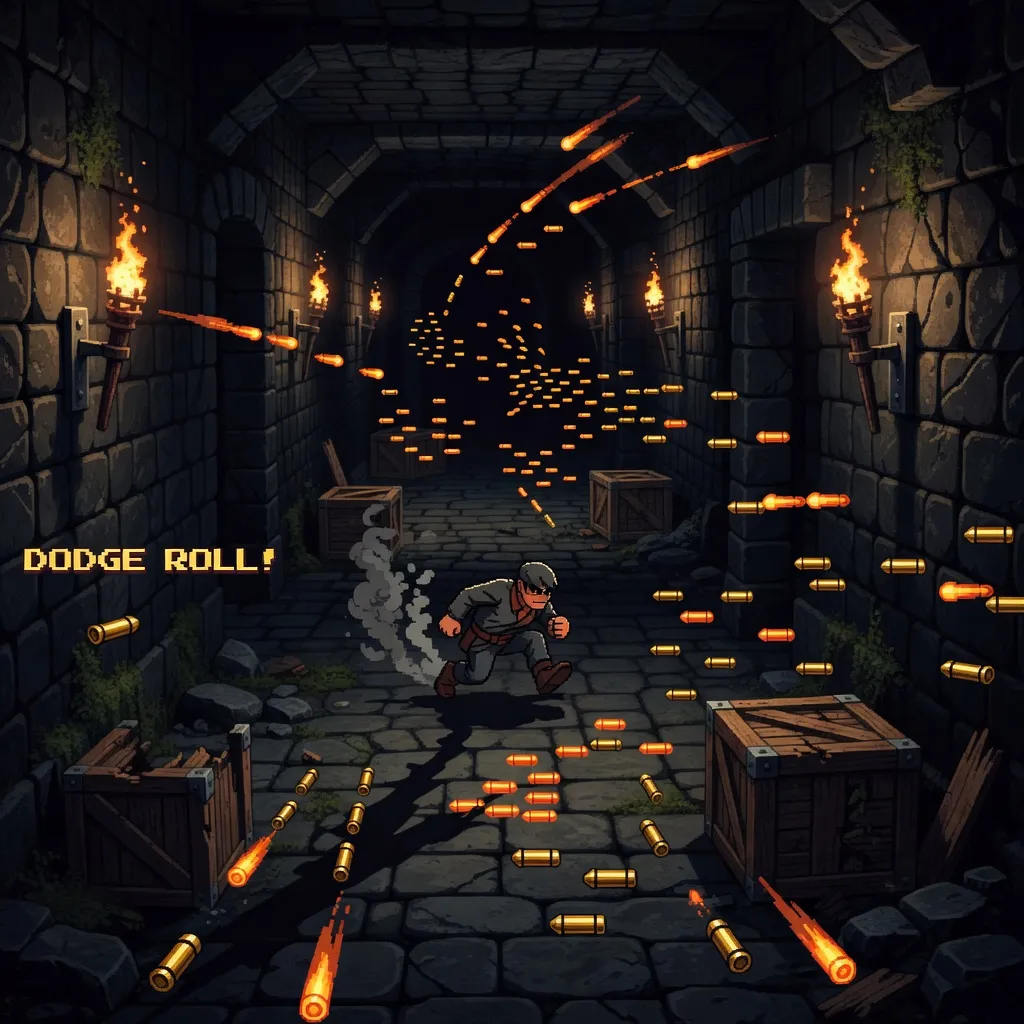
Dodge rolling lets you quickly move in any direction while briefly avoiding damage from bullets and contact. The roll is performed by swiping or using a dedicated button, depending on your control scheme. It is essential for navigating bullet patterns and escaping tight spots. Unlike some games, rolling does not grant a long invulnerability window, so timing is critical.
Beginner's note: Treat the roll as a repositioning tool first and a damage-avoidance tool second. A roll that moves you into a safer spot is worth more than a roll that only dodges one bullet.
Performing a dodge roll is straightforward once you know the controls. On mobile, swipe in the desired direction to roll. Alternatively, some control schemes may use a dedicated button. Practice in a safe area to get a feel for the roll distance and speed.
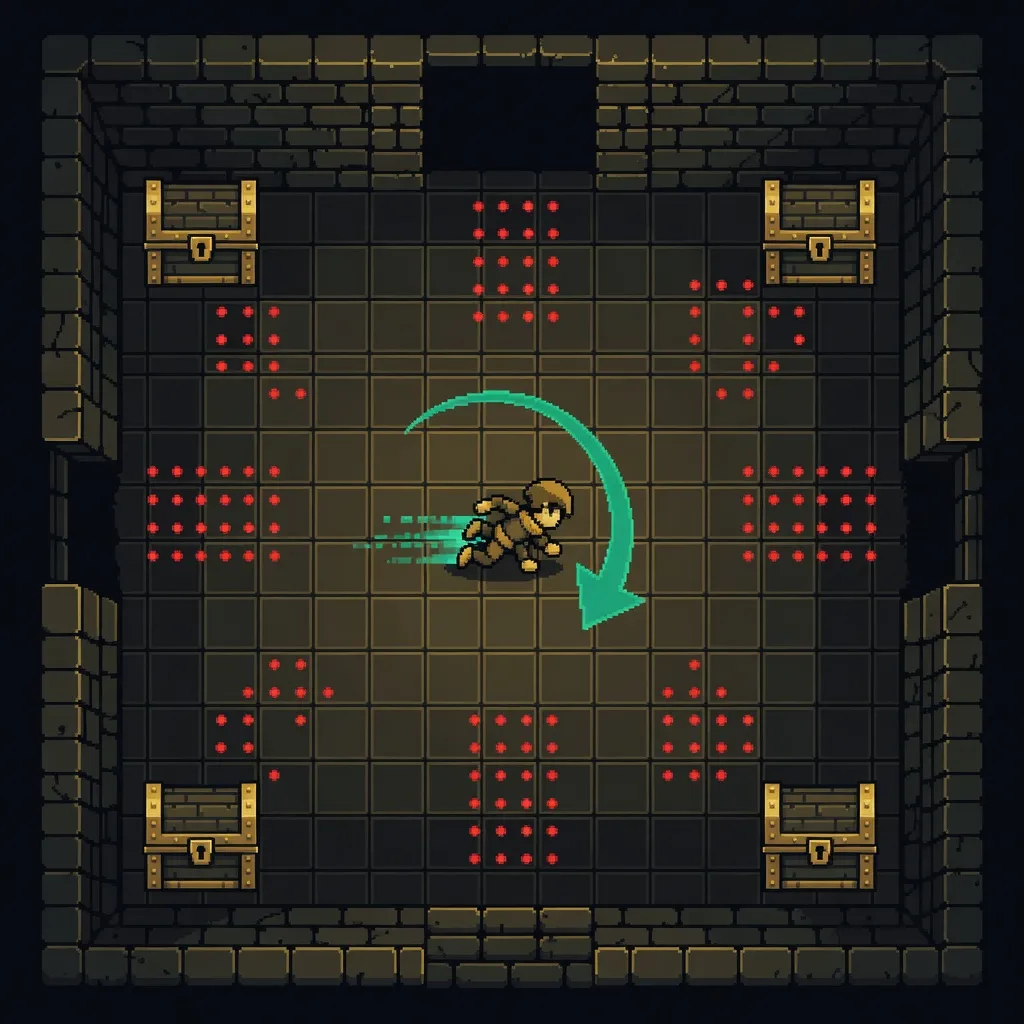
Successful dodging is about anticipation, not reaction. Watch enemy attack patterns and learn their tells. Roll just before bullets reach you, not when they are fired. Avoid rolling into other bullets or enemies. Enemy attack patterns vary, but all are learnable with practice.
Warning: Rolling too early may end your invulnerability before the bullet passes. Rolling too late results in taking damage. Practice against specific enemies to internalize timing.
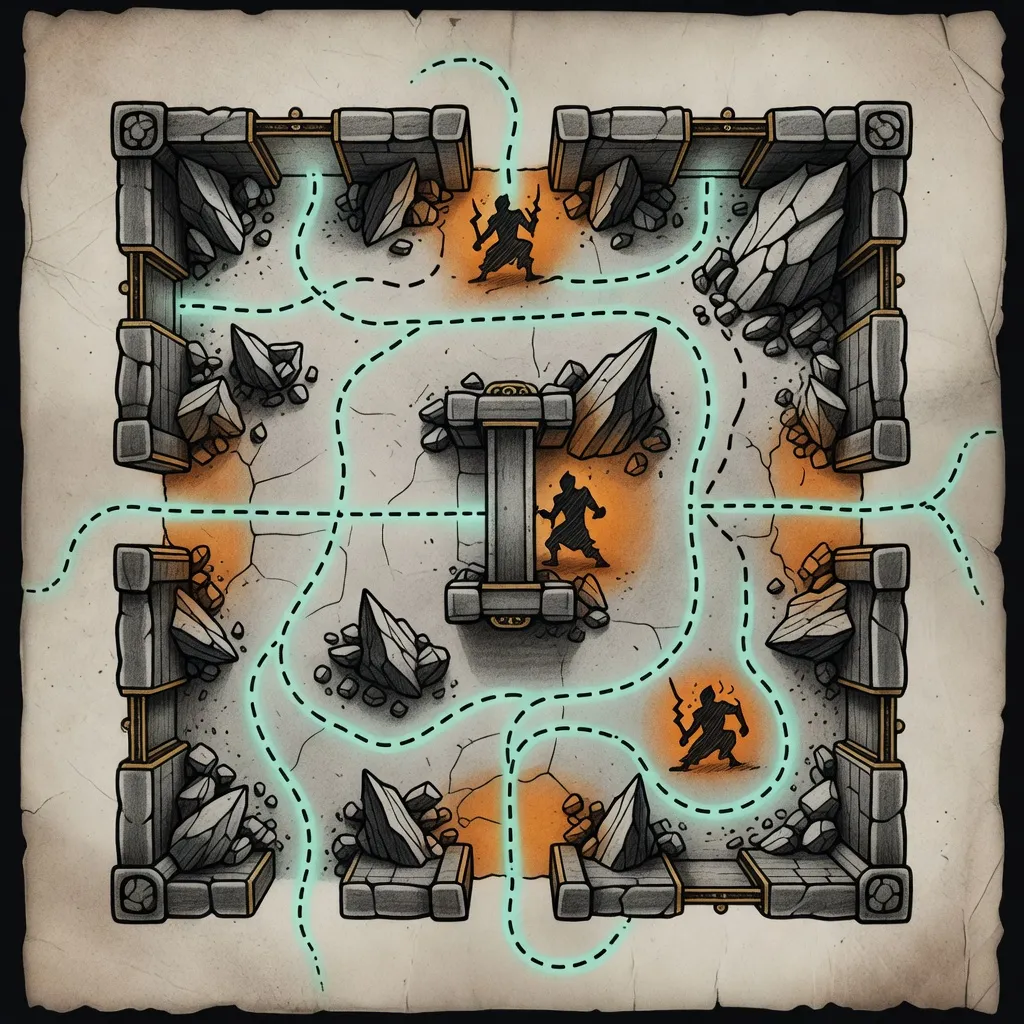
Every roll should move you to a safer position, not just away from a bullet. Use rolls to cross gaps, dodge through bullet streams, or reach cover. Be aware of your surroundings; rolling into a wall or hazard wastes the move. Plan your roll destination before executing.
For example, if a shotgun kin fires a spread of bullets, rolling diagonally toward its flank can put you outside the spread while giving you a clear shot. Rolling straight backward often keeps you in the line of fire.
Rolling too often can leave you out of position and unable to attack. Each roll has a brief recovery time. Use rolls only when necessary to avoid damage. Maintain a balance between offense and defense.
A poorly aimed roll can put you in a worse spot. Avoid rolling into enemy fire or environmental hazards. Always check your landing area before rolling. Practice rolling in open spaces to build spatial awareness.
Not learning enemy attack patterns makes dodging a guessing game. Spend time observing enemies before engaging. Recognize tells that precede attacks. Use failed runs as learning opportunities.
Some players use roll cancelling to shorten recovery time, though it may not be officially supported. This technique involves interrupting the roll animation with another action. Effectiveness may vary based on game version and platform. Practice in a safe environment before using in combat.
Note: This is not an official mechanic and may not work consistently.
Mastering diagonal rolls can help you navigate complex bullet patterns. Diagonal rolls cover more distance and can slip between bullets. Use them to reposition while maintaining distance from enemies. Combine with table flips for added defense.
Dodge rolling is a skill that improves with practice and patience. Every failed run is a lesson. Focus on learning enemy patterns and positioning. Don't be afraid to experiment with different strategies.
Read the Complete Review